Strategy and systems for work that has to hold up

Sooner or later, someone's going to ask if it worked.

You'll have attendance, some good quotes, and a feeling. I'll get you the real answer.

Why you can't answer that yet

The dashboard stayed green the whole time, because half the picture was never on it.

You measured what was easy to measure — who showed up, who liked it, who said the right things on the way out. What no one measured is whether anyone actually did anything differently afterward, or kept doing it. That part almost always exists already, sitting in a system you own, in another department, that no one ever connected back to this. That's the gap a Read closes.

The Read · three weeks · $6,500

I'll tell you what actually changed.

You spent real money on something last year. A campaign, a rollout, a training, a new system. At some point somebody is going to ask whether it worked, and if you're honest, what you have is attendance, and some good quotes, and a feeling.

In three weeks, you'll have:
  • What changed, what didn't, and the exact place it stopped
  • What it would take to get past that place
  • One page you can forward without a meeting attached

Before I look at your results, I write down what I expect to find, and date it. You get that too. If I'm wrong, you'll know I was wrong (which, honestly, is more than most measurement will ever tell you).

It asks about two and a half hours of your time. Small on purpose. You shouldn't have to make a big decision to find out whether I'm useful to you.

What a Read leads to

A Read tells you where the work broke. Getting past that place usually takes one of three shapes.

Run it.

Turn expertise into a system your team can actually operate — frameworks, SOPs, training, the operating structure underneath.

Say it.

Turn a point of view into a brand and voice that hold — messaging, brand architecture, and the knowledge base so you're not the only one who can sound like you.

Build it.

Turn an idea into the real thing — products, courses, events, AI tools.

Priced after the Read, because that's what makes the scoping honest.

Why it holds

Wondering whether there's a real instrument here, or just a smart person with opinions? There's a method, it has a name, and it's been built over years. You don't need to learn it to benefit from it, which is sort of the point. A few things stay true in every engagement:

Instruments, not advice.

We start by making the work observable. You can't scope, staff, or defend what the organization has no way to see.

Built from your own material.

Durability that depends on an outside party isn't durability. We build with your people, your language, your structures.

Designed to end.

What stays behind is the architecture, held by the people who were there before we arrived.

The work behind it

The practice is new. The work behind it isn't.

Onsitebehavioral health
Turned therapeutic programs that leaned on individual practitioners into courses and curricula with real consistency, so the quality stopped riding on whoever happened to be leading the room.
Westfall Goldmajor-donor fundraising
Productized their proprietary methodology, built a course for ministry leaders raising significant funds, and helped roll out a company-wide project management system.
Agency workcreative & communications
Methodology architecture, AI tooling, and the brand-and-knowledge systems that give an agency's point of view a place to live.
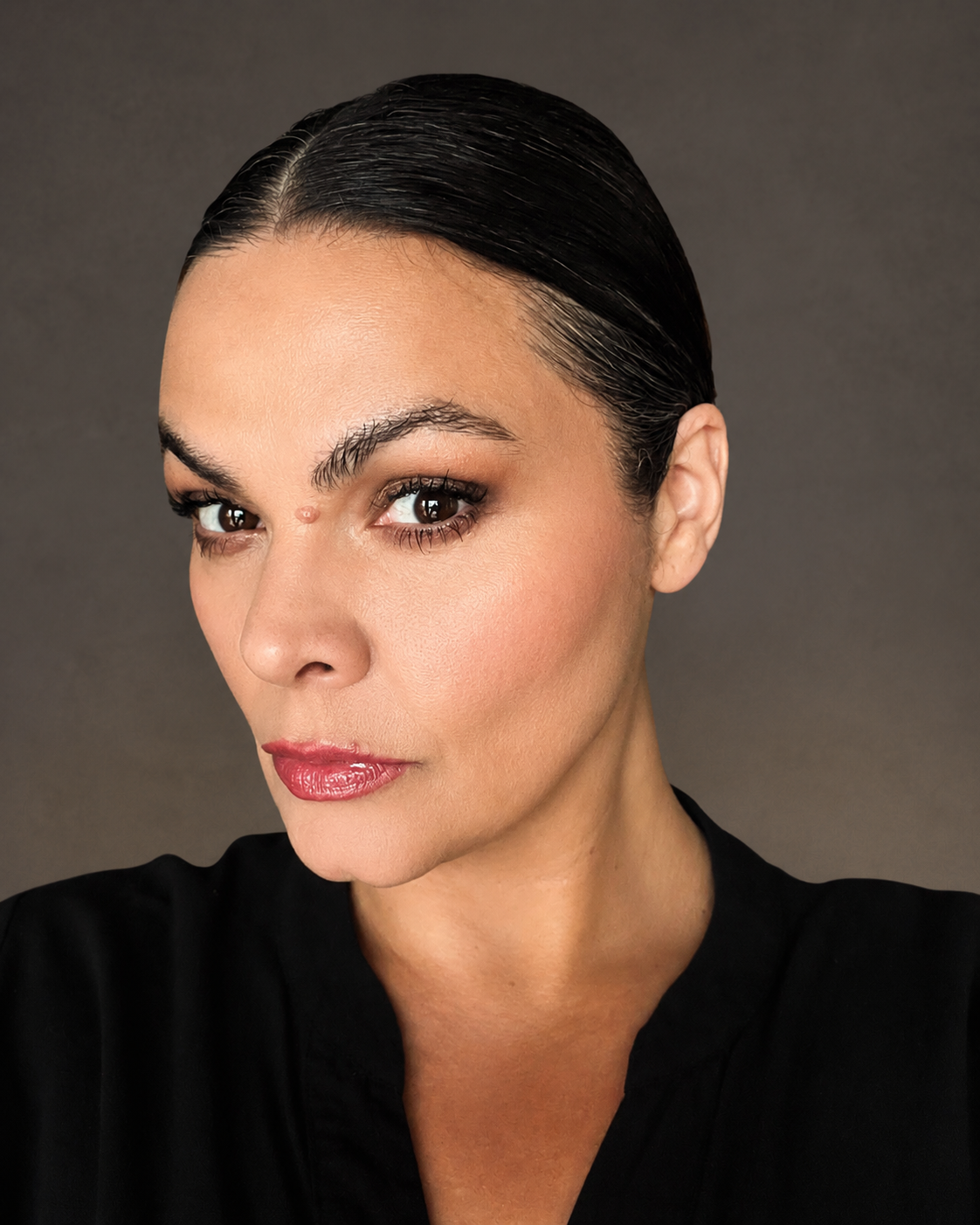
Candi Shelton, founder of Selvage Consulting
Candi Shelton · Founder

Two decades turning what lives in people's heads into things organizations can run on — across behavioral health, major-donor fundraising, and creative agencies. She holds the strategy and the build in the same hand.

LinkedIn →
Start

Answer a few quick questions.

About five minutes — and I'll tell you whether a Read makes sense, and honestly whether it's worth it. Sometimes it isn't, and I'll say so.

A selvage is the edge a fabric makes so it won't fray.

Let's build that edge into your work.